

Features of the kinetic turbidimetric endotoxin test assay to test endotoxins in the samples
The kinetic turbidimetric endotoxin test is a quantitative method used to determine the concentration of bacterial endotoxin in a sample. The assay is based on measuring the increase in turbidity produced during the endotoxin-mediated reaction.
Unlike a traditional gel-clot method, the kinetic turbidimetric assay continuously monitors the reaction and calculates endotoxin concentration from the relationship between reaction time and endotoxin concentration.
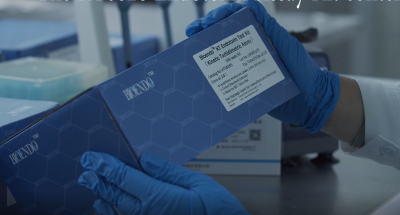
Principle of the Assay
When endotoxin is present in a suitable lysate reagent system, a cascade reaction is activated. As the reaction proceeds, turbidity increases. The instrument records the change in optical density and determines the reaction time or corresponding kinetic parameter.
The measured response is compared with an endotoxin standard curve to calculate the endotoxin concentration of the test sample.
The kinetic turbidimetric method provides quantitative endotoxin results by monitoring the development of turbidity throughout the reaction.
Advantages
Quantitative endotoxin determination
Continuous kinetic measurement
Suitable for automated analysis
Useful for routine quality-control testing
Applicable to a wide range of pharmaceutical and biological samples
Important Considerations
Sample interference, reagent sensitivity, dilution, temperature control, endotoxin-free consumables and appropriate standard-curve preparation can all influence the quality of the final result.
Careful control of the complete testing workflow is therefore essential when implementing a kinetic turbidimetric endotoxin assay.